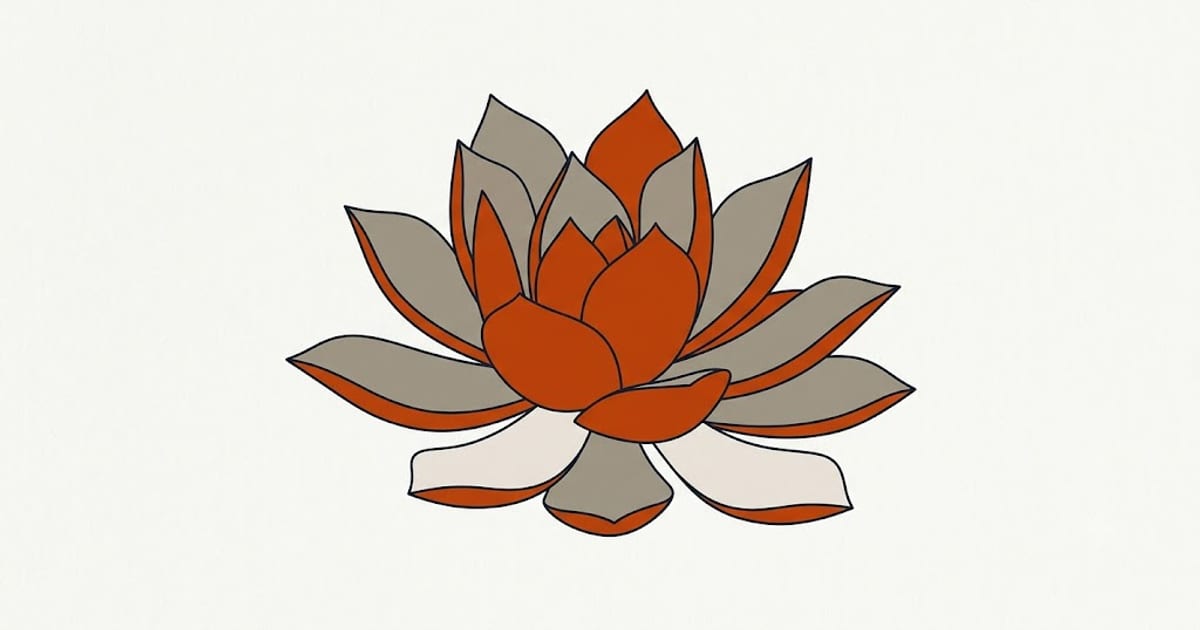
Succulents store water in their leaves, which means a leaf that is failing usually changes texture before it changes colour. That texture is the most useful piece of information available, and it is easy to check.
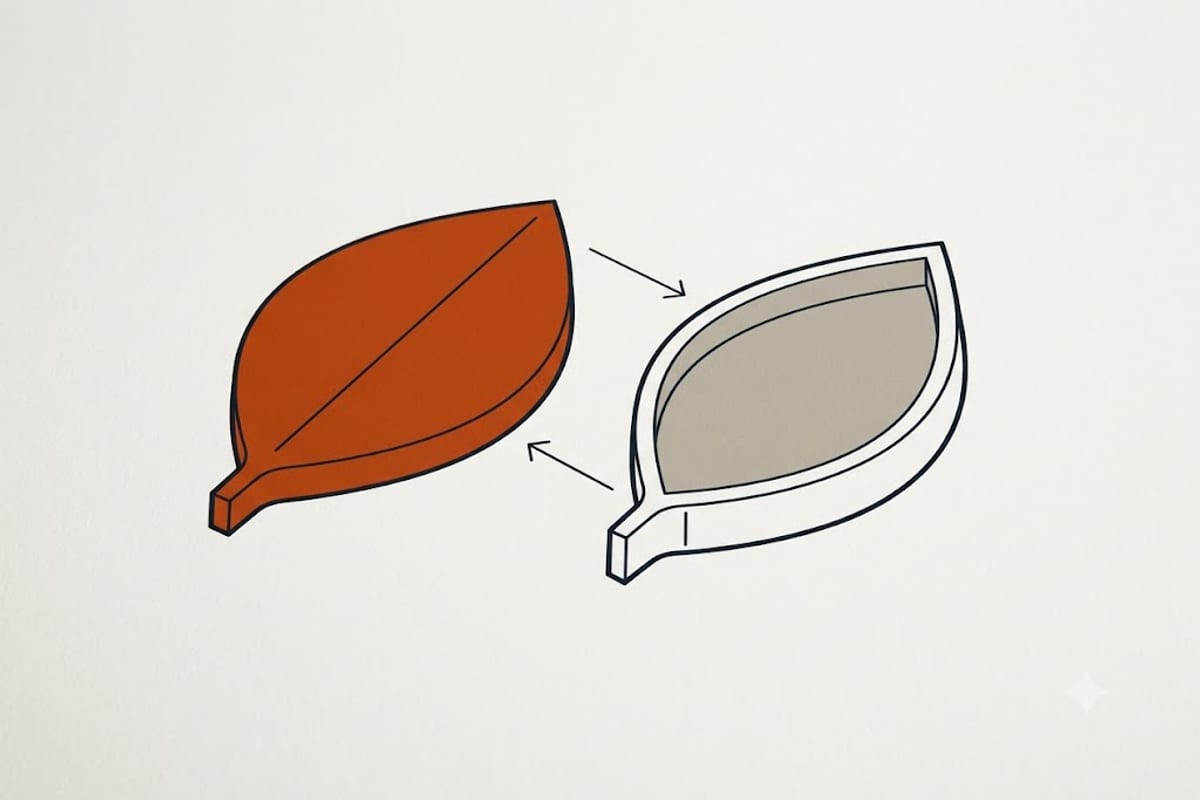
Soft, squashy, and slightly see-through
Hold the leaf up to a light. A leaf that has taken on more water than its cells can hold looks translucent — light passes through it in a way it does not through a healthy leaf — and it feels soft and slightly slippery rather than firm.
This is overwatering, and it usually starts with the lowest leaves. If several leaves are affected and the stem at soil level is also soft, the plant is rotting and needs taking out of its pot today. Cut back to firm tissue, let the cutting dry for several days until the wound hardens, and root it in dry gritty mix.
If only one or two leaves are affected and the stem is firm, remove those leaves, stop watering, and let the pot dry out completely. Move it somewhere brighter and warmer with some air movement so it dries faster.
Firm, but pale and yellowing evenly
A leaf that is still firm but losing colour is not waterlogged. Two things commonly cause this.
Too little light produces pale, stretched growth with widening gaps between leaves and a plant leaning toward the window. The colour loss is gradual and affects newer growth as much as old. Move it somewhere brighter — gradually, over two to three weeks, because a plant moved suddenly into full sun will scorch.
Exhausted soil is less common but real in a plant that has been in the same pot for several years without feeding. Succulents need very little, but they do need something. A dilute balanced feed once or twice during the growing season is enough, and more than that causes its own problems.
Dry, papery, and only at the bottom
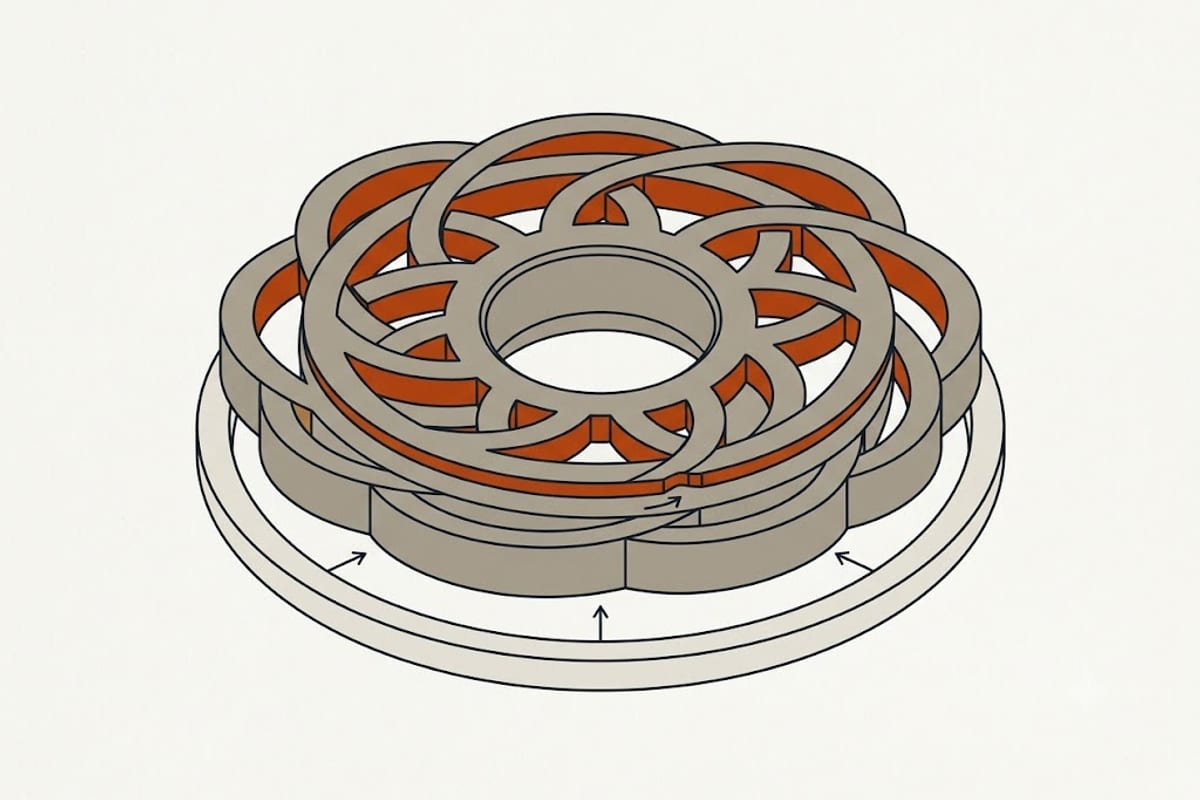
The outermost lower ring of leaves shrivelling and drying is normal ageing. Succulents shed old leaves from the bottom as they grow from the top, and a plant that never lost a leaf would be unusual rather than healthy.
These leaves go thin and papery rather than soft, they come away cleanly with a gentle pull, and the rest of the plant looks fine. Nothing needs doing.
Yellow with dark spots or a soft centre
Less common and worth acting on. Dark soft patches within a yellowing leaf suggest rot spreading through the tissue rather than a watering imbalance, and the same response applies as for the translucent case: cut back to clean firm tissue and start again from a dried cutting.
The watering that prevents most of it
Soak the mix thoroughly until water runs from the bottom, then wait until it is dry all the way down and the leaves are just beginning to lose firmness. Wrinkling is the plant's own signal and it is far more reliable than any schedule.
That interval changes enormously with the season. In a bright warm room in summer it might be every two weeks; in a cool room in winter it can be once a month or less. Watering at summer frequency through winter is the single most common way these plants are lost, and the first visible sign is usually a lower leaf gone soft and translucent.
Why the pot matters more than the schedule
Two identical plants watered identically can end up in completely different conditions, because what decides how long roots stay wet is the container and the mix rather than the frequency.
Terracotta is porous and loses moisture through its walls, so a pot dries roughly twice as fast as the same volume in plastic or glazed ceramic. A gritty or cactus mix drains in minutes and holds air between the particles; standard houseplant compost holds water for days. A pot much larger than the root ball contains a mass of wet soil that no roots are drinking from, and that mass stays wet long after the plant has taken what it needs.
Change any of those and the correct interval changes with it, which is why a schedule that worked for one plant kills the next one. The habit worth building is checking the weight of the pot rather than counting days — lift it after a thorough watering, remember how heavy that feels, and lift it again before deciding.
A drainage hole is not negotiable. The common workaround of putting gravel in the bottom of a pot without one does not create drainage; it raises the saturated layer instead. If a decorative pot has no hole, keep the plant in a plastic nursery pot inside it and lift it out to water.