
Aloe changes colour readily, and a plant that has gone red, bronze or purple across its leaves is doing something quite different from one that is browning.

What the colour is
Under demanding conditions, aloe produces protective pigments in its leaf tissue. They act as a sunscreen and as an antioxidant, and their production is a normal stress response rather than a sign of injury.
The important consequence is that it is reversible. Ease the conditions and the colour fades over several weeks, with the plant returning to green from the base outward. Damage does not behave that way.
The check that settles it
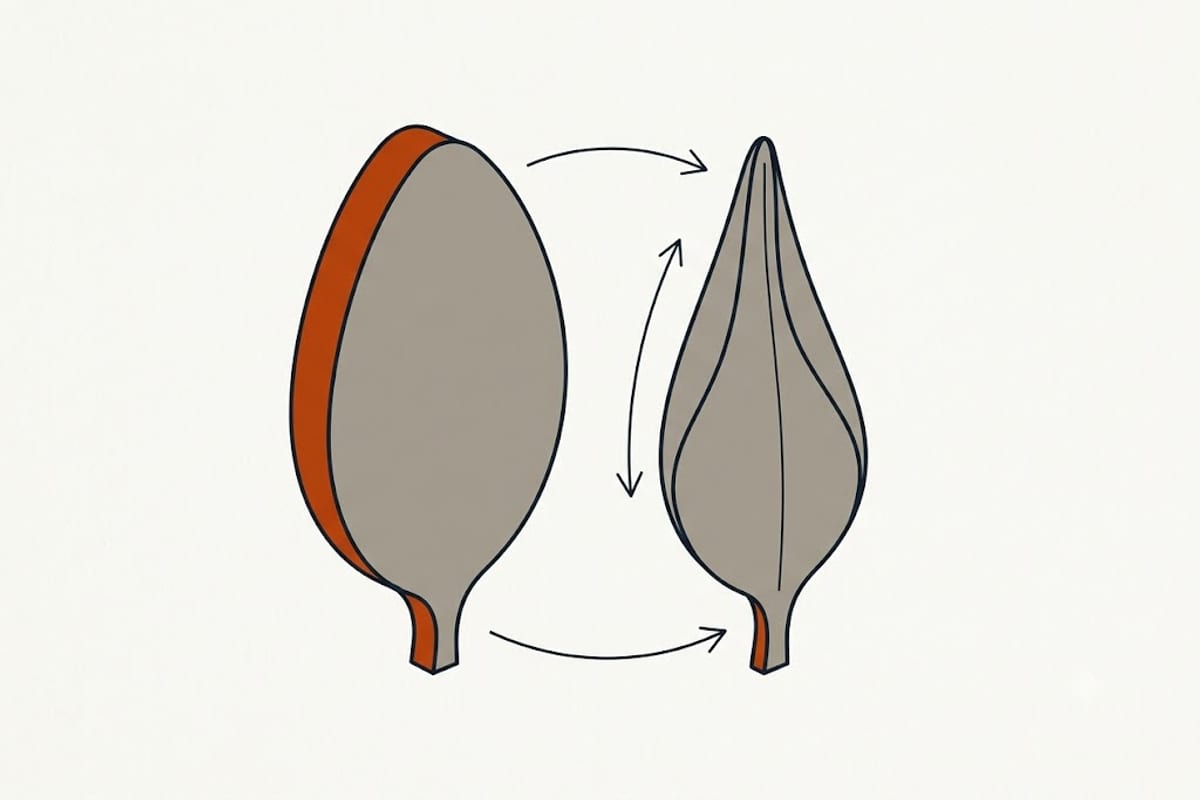
Squeeze a coloured leaf. If it is firm and plump, this is pigment and the plant is fine. If it is soft, thin or collapsing, something else is going on and the colour is incidental.
That single test separates a plant that needs nothing from one that needs attention today.
What triggers it
Strong light is the most common. A plant moved to a sunnier window, or put outside for the summer, colours up within a fortnight. Growers who like the look induce it deliberately.
Cold does it too, particularly nights below about 10 °C. An aloe on a windowsill behind curtains in winter can sit several degrees colder than the room, and the colour appears without anything else changing.
Drought contributes. A plant that has gone a long time without water often colours as it draws on its reserves, and the leaves thin slightly at the same time.
Being pot-bound or in exhausted soil produces a milder, more persistent version of the same thing.
Often several act together, which is why the change frequently follows a move — a new position usually changes light, temperature and airflow at once.
When the colour is not the point
Red or bronze on firm tissue needs nothing. What needs attention is red or brown on tissue that has changed texture.
Soft brown at the base, spreading upward, is rot and needs the plant taken out of its pot the same day. Dry brown patches on the side facing a window, often pale and bleached before they brown, are sunburn from a move that was too abrupt. Neither of those fades, because both are dead tissue rather than pigment.
Moving an aloe without scorching it
The mistake that produces most sunburn is putting a windowsill plant straight into full outdoor sun. A plant adapted to filtered indoor light has no capacity to handle several times that intensity, and the damage appears within a day or two.
Move it in stages over two to three weeks: full shade outdoors first, then dappled light, then morning sun only, then a full day. If pale bleached patches start to appear, go back a stage and wait longer. Coming back indoors in autumn needs no such caution, but it does need a careful inspection for pests, since plants that summer outside frequently return with company.
Deciding whether to do anything
If you like the colour, nothing needs doing — a red aloe in good light with firm leaves is a healthy plant expressing a normal response. If you would rather it were green, move it somewhere with less direct sun and warmer nights, and expect the change to take a month or more.
Watering an aloe that has coloured up
If drought is part of the reason, the temptation is to water heavily and often to correct it. That is the fastest way to turn a stressed but healthy plant into a rotting one.
Water thoroughly once, until it runs from the bottom, then wait until the mix is dry all the way through before doing it again. Aloe stores water in its leaves, so it recovers over a week or two rather than overnight, and a second watering before the pot has dried does far more harm than a slow recovery.
In a bright warm room the interval is commonly two to three weeks. From late autumn to early spring it can stretch to a month or more, because the plant is barely growing and the pot dries slowly. Watering at summer frequency through winter, on a plant that has coloured up from cold, is a reliable way to lose it.
Offsets are a sign of health
An aloe that is producing pups around its base is doing well regardless of colour. Those can be separated in spring once they have a few roots of their own, potted individually in gritty mix, and left dry for a week before their first watering.
A plant that stops producing offsets, produces steadily smaller leaves, or fails to grow at all through a whole summer is telling you something the colour is not — usually too little light, or a pot and soil that have been exhausted for years.