
Aloe changes colour readily, and most colour changes are not damage. Where the colour is, and whether the tissue is firm or soft, separates three quite different situations.
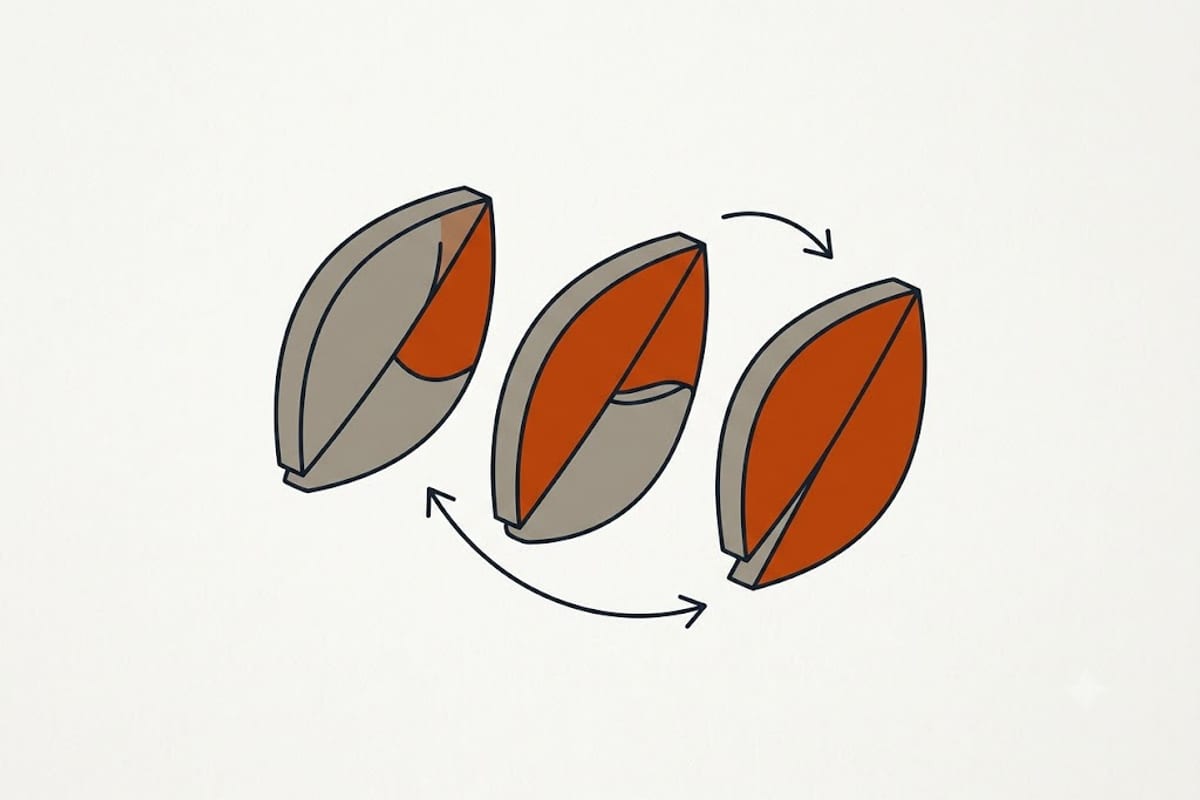
Red or bronze across whole leaves, tissue still firm
This is a stress response, not an injury. Aloe produces protective pigments when conditions are demanding, and the plant is not being harmed by having them.
Common triggers:
- Strong light, especially after a move outdoors or to a brighter window.
- Cold, particularly nights below about 10 °C.
- Drought — a plant that has gone a long time without water.
- Being pot-bound, or in very poor soil.
If the plant is otherwise firm and growing, this needs nothing. The colour fades over weeks if conditions ease. Many growers deliberately produce it because they prefer the look.
Brown, dry, crispy tips or edges
Damage rather than pigment, and usually one of:
- Sunburn. Moved suddenly into full sun, especially through glass, which concentrates heat. Look for pale bleached patches turning brown, on the side facing the light.
- Underwatering, over a long period. Leaves thin, wrinkle, then brown from the tips.
- Salt build-up from hard water or over-feeding, concentrating at the leaf edges.
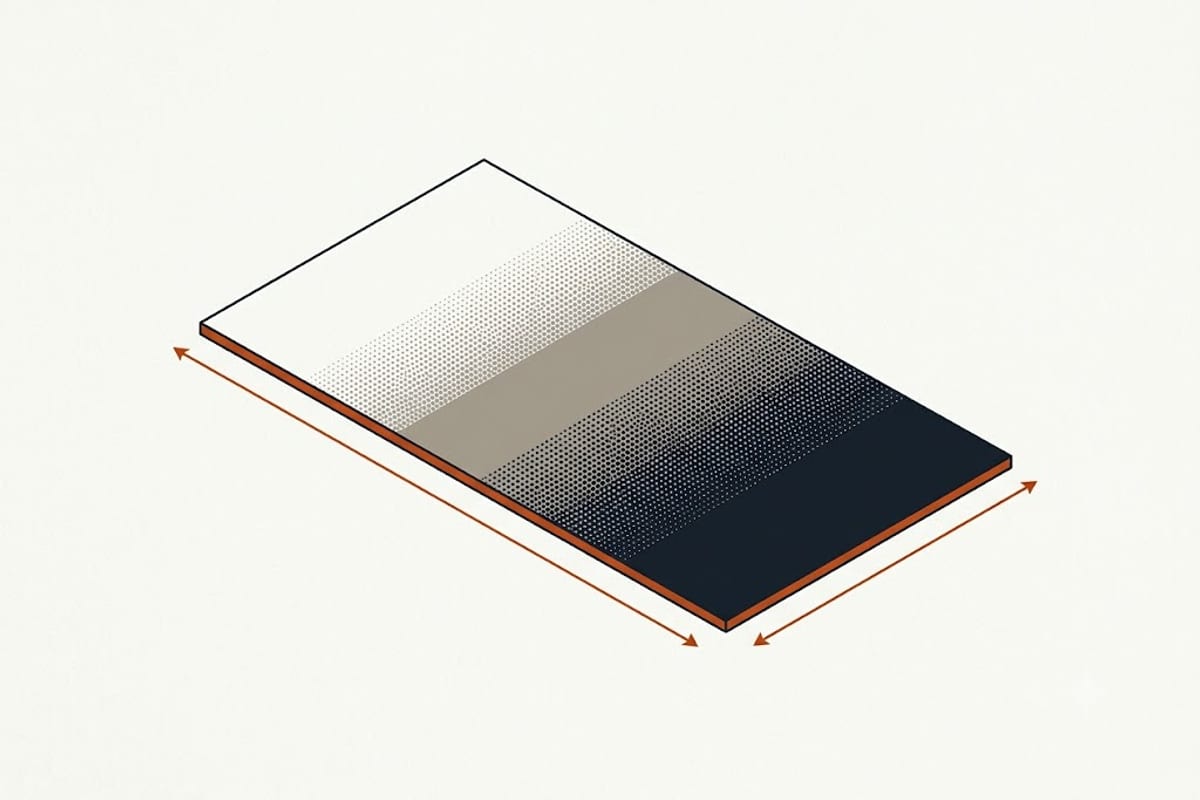
Move plants to stronger light gradually, over two to three weeks. Aloe adapts well but not instantly, and the most common way people scorch one is putting a windowsill plant straight outside in June.
Damaged tissue does not recover. Trim it if you want; judge the fix by new growth.
Brown, soft, mushy, starting low down
The serious one. This is rot, and it moves upward through the plant.
Take it out of the pot and look at the base and the roots. Firm and pale is fine; brown, soft and smelling sour is not.
Cut the stem above the damage, checking the cut face until it is clean all the way through. Let the cutting dry for several days until the wound is hard, then root it in dry gritty mix and leave it a week before watering.
Causes, all of them common:
- A pot without drainage.
- Standard compost instead of a gritty or cactus mix.
- Watering little and often, which keeps the surface layer permanently damp.
- Cold and wet together — winter on a cold windowsill.
Watering an aloe
Soak thoroughly until water runs from the bottom, then wait until the mix is dry all the way down and the leaves are just beginning to lose their firmness. In a warm bright room that is roughly every two to three weeks; in winter it can be once a month or less.
Wrinkling leaves are the plant's own watering signal and a far better guide than any schedule.
Leaves lying flat instead of upright
Usually not enough light, sometimes a plant that has grown too heavy for its root system. An aloe reaching for light stretches and flattens outward, and the fix is more light rather than more water.
If the plant is also soft at the base, treat it as rot rather than light.
Brown spots that are not on the tips or the base
Small dark spots scattered across the leaf surface can be physical damage, cold injury, or occasionally a fungal problem where air is still and humid. Improve airflow, keep water off the leaves, and remove badly affected leaves at the base.
Aloe grown outdoors in summer
Moving an aloe outside for the warmer months suits it, and it is also where most of the sunburn happens. A plant that has spent winter on a windowsill is adapted to a fraction of outdoor light, and full midday sun in June will scorch it within a day or two.
The transition needs two or three weeks: start in full shade outdoors, then dappled light, then morning sun only, then all day. If leaves start bleaching, go back a step and wait longer.
Coming back indoors matters too. Check thoroughly for pests before the plant rejoins the collection — mealybugs and scale ride in on plants that summered outside, and an aloe is easy to inspect because there is nowhere for them to hide except the leaf bases.
When an aloe stops growing
Aloes grow slowly indoors and hardly at all in winter, so no visible change for months is normal. What is not normal is a plant that produces steadily smaller new leaves over a year — that usually means too little light, too small a pot, or exhausted soil.
Repot into gritty mix in spring, one pot size up, and move it to the brightest position you can give it gradually. Offsets around the base can be separated at the same time and potted individually.