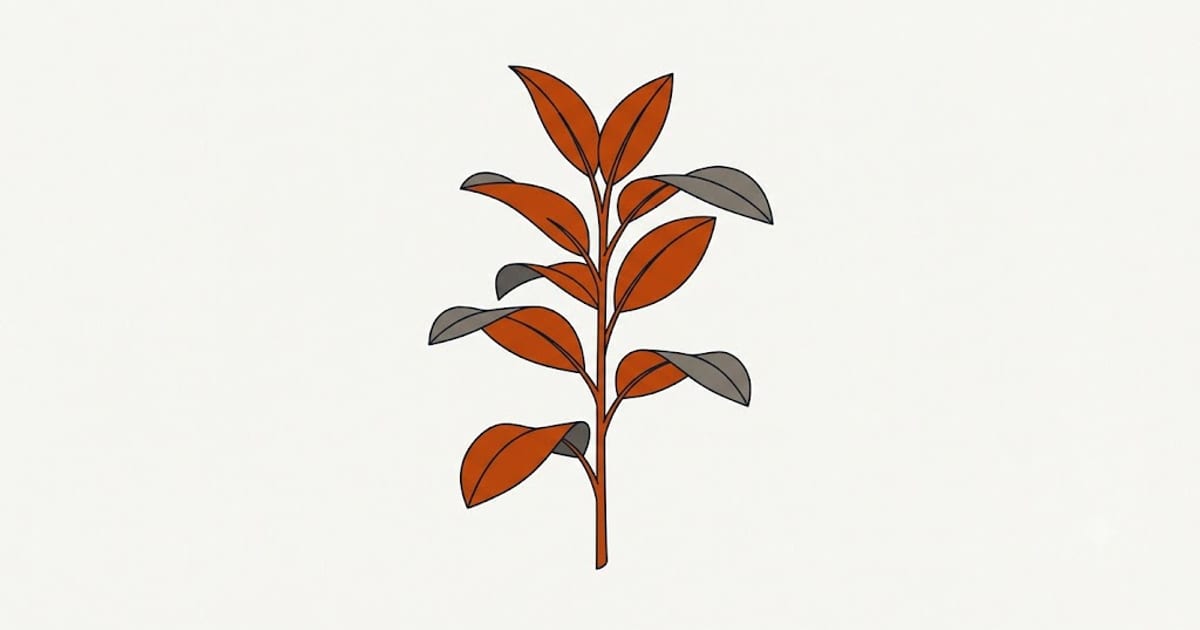
Avocado plants grown from a stone are among the more sensitive houseplants to water quality, and brown crisp leaf tips are the most common complaint about them by a wide margin.
Why it happens
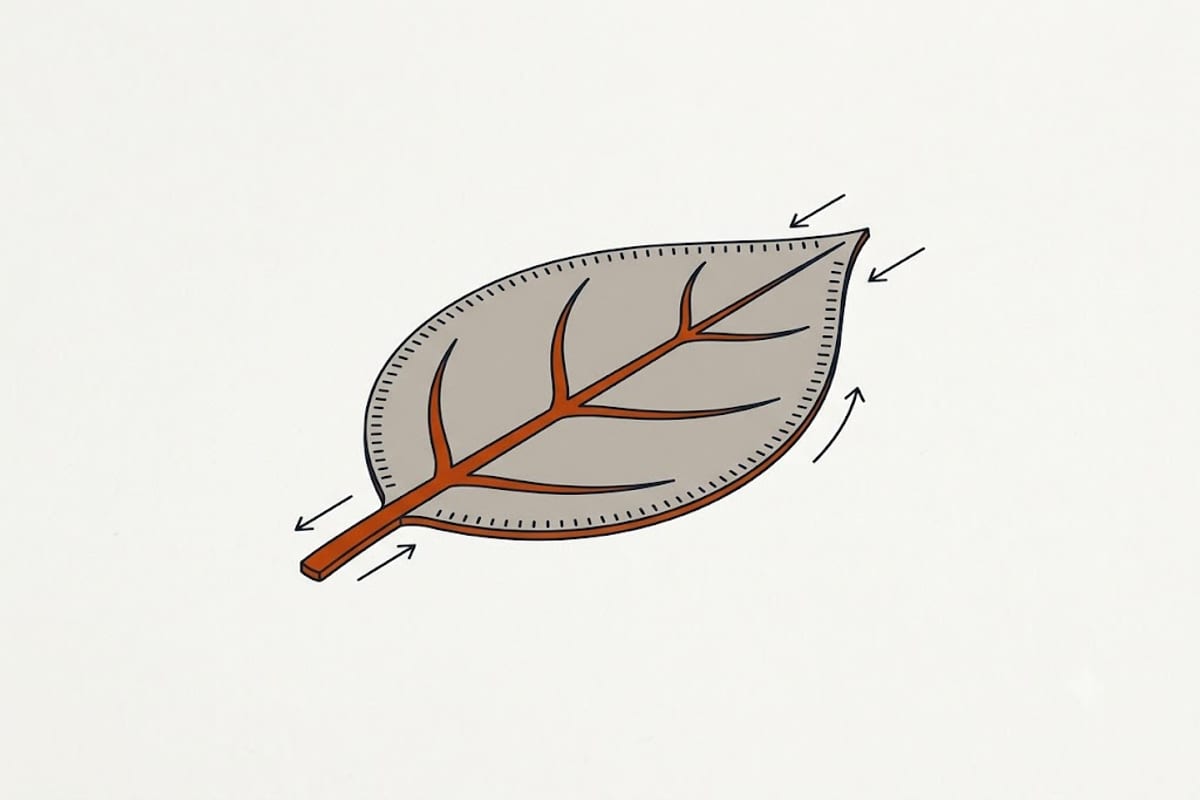
Water moves through a plant and evaporates from the leaves, but the dissolved minerals it carried do not evaporate with it. They are left behind, and they concentrate at the furthest point the water reaches — the leaf tips and margins.
Avocados are particularly sensitive to chloride and to sodium, and the accumulation is cumulative. A plant watered with hard tap water and fed regularly can be fine for months and then start browning as the total load in the pot crosses a threshold.
The signature is specific enough to be diagnostic: browning that starts precisely at the tip, is dry and papery rather than soft, and has a sharp boundary between dead and living tissue rather than a gradual fade.
Flushing the pot
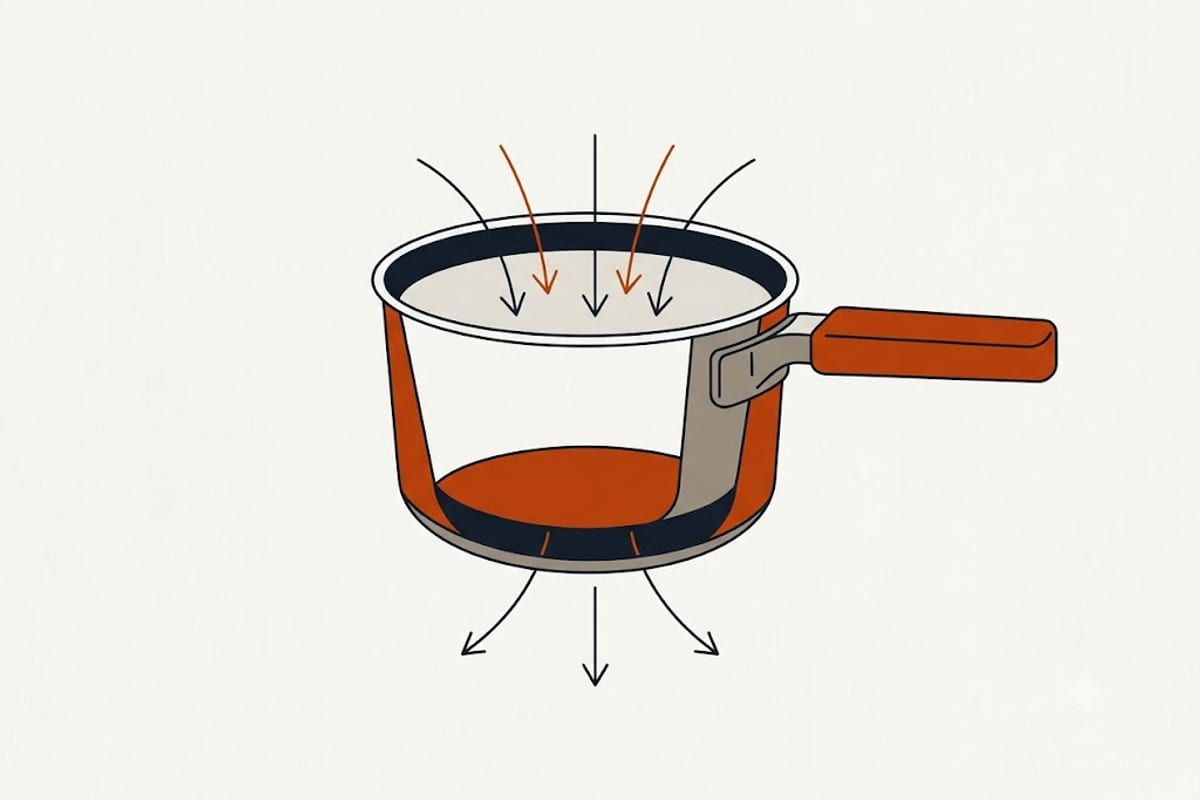
The remedy is to wash the accumulated salts out, and it needs more water than people expect. Take the plant to a sink or outside, and pour water slowly through the pot until several times the pot's volume has drained out of the bottom — for a two-litre pot, that means six to eight litres passing through.
Do this every couple of months if you use tap water and feed regularly. It costs nothing and it prevents the problem rather than treating it.
Rainwater, or water that has been filtered, avoids most of the input in the first place. Letting tap water stand overnight helps with chlorine but does nothing about dissolved salts, which is a common misunderstanding.
Fertiliser is the other half
Avocados grown indoors do not need much feeding, and over-feeding is a large contributor to the salt load. A dilute balanced feed once a month during spring and summer is plenty, and none at all through autumn and winter.
A white or pale crust on the soil surface, or around the drainage holes and the rim of the pot, means the load is already high. That is a signal to flush and to stop feeding for a while rather than to feed differently.
Other causes worth ruling out
Very dry air produces the same crisp browning, and indoor heating in winter is the usual reason. Avocados come from humid conditions and object to a spot directly above a radiator.
Underwatering does it too, and the pattern is similar enough to be confused. The distinguishing check is the pot: if it is drying out completely between waterings and the plant wilts before it is watered, thirst is contributing.
Root damage from a period of waterlogging reduces uptake and produces browning at the extremities as a consequence, which is the one case where the tips are telling you about a problem at the other end of the plant.
What not to expect
A browned tip will not turn green again. Trimming it with scissors is cosmetic and does no harm, but the plant does not benefit.
Judge whether a change has worked by the next set of leaves rather than by the existing ones. Avocados grow in flushes rather than continuously, so that judgement may take a month or two, and in winter it may take until spring.
Why avocado plants get harder rather than easier
A stone sprouted on a windowsill grows quickly for the first year on the reserves in the seed, and many people conclude the plant is easy. What follows is different: once those reserves are used, the plant depends entirely on its roots, its light and its soil, and all three are usually inadequate indoors.
That transition is when brown tips typically appear, and it is why a plant that was thriving for a year begins to look poor in its second. The fix is not more attention but better conditions — the brightest position available, a pot with genuine drainage, a mix with grit or perlite in it, and water that is not steadily depositing minerals.
Pinching the growing tip when the plant reaches about 30 cm encourages branching and produces a fuller plant, which also spreads the demand on the root system rather than concentrating it in one long stem.
Expectations worth setting
An avocado grown from a stone indoors is a foliage plant. Fruiting requires years, specific pollination conditions, and usually a grafted variety rather than a seedling, so a plant that produces good leaves and never a flower is behaving exactly as expected rather than underperforming.